

Children's vaccination
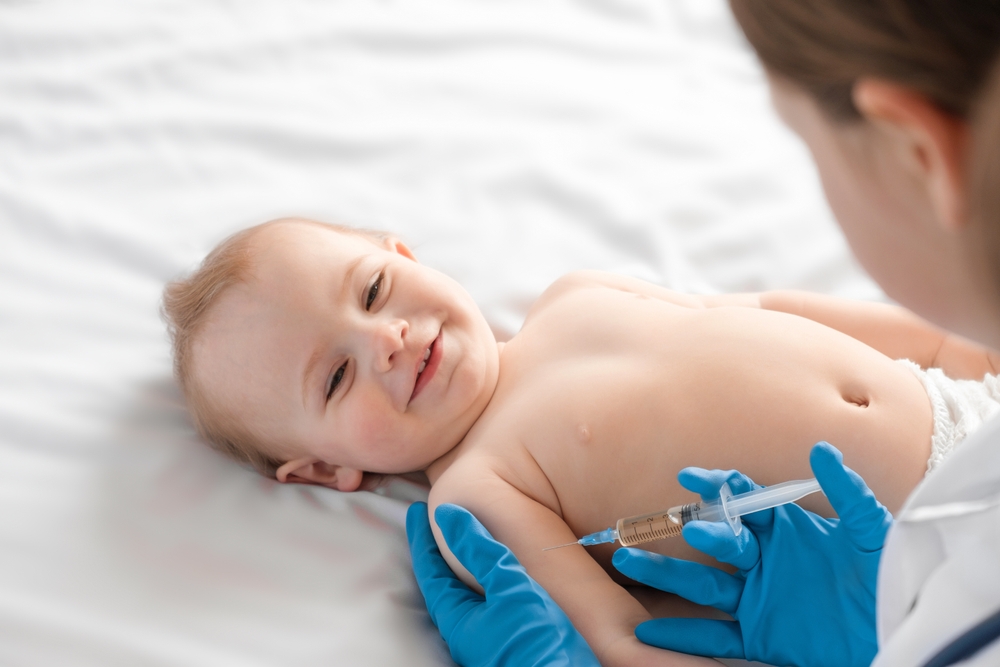
Children's vaccination is a cornerstone of public health, protecting young individuals from serious and potentially life-threatening diseases. Vaccines work by stimulating the immune system to recognize and combat specific pathogens, such as viruses or bacteria, without causing the illness itself. This process not only safeguards the vaccinated child but also contributes to herd immunity, reducing the spread of diseases within communities.
Key vaccines for children include those for measles, mumps, rubella (MMR), polio, diphtheria, tetanus, pertussis (DTaP), hepatitis B, and influenza. Many vaccines are administered during infancy and early childhood as part of national immunization schedules, ensuring children are protected during their most vulnerable years. Booster doses may also be required later to maintain immunity as they grow older.
Vaccination programs have been instrumental in eradicating or significantly reducing the prevalence of diseases like smallpox and polio. They continue to play a vital role in preventing outbreaks of diseases such as measles and whooping cough. Routine immunizations also help reduce the burden on healthcare systems by preventing hospitalizations and complications associated with vaccine-preventable illnesses.
Educating parents about the importance of vaccinations is critical in combating vaccine hesitancy, which can lead to gaps in immunization coverage. Healthcare providers play an essential role in addressing concerns, providing accurate information, and ensuring that children receive vaccines on time. This proactive approach ensures the health and well-being of not only individual children but also the broader community.
Children's vaccination is a powerful tool in promoting lifelong health and preventing the spread of infectious diseases. By adhering to recommended vaccination schedules, families can protect their children from harm and contribute to a healthier, safer world for future generations.